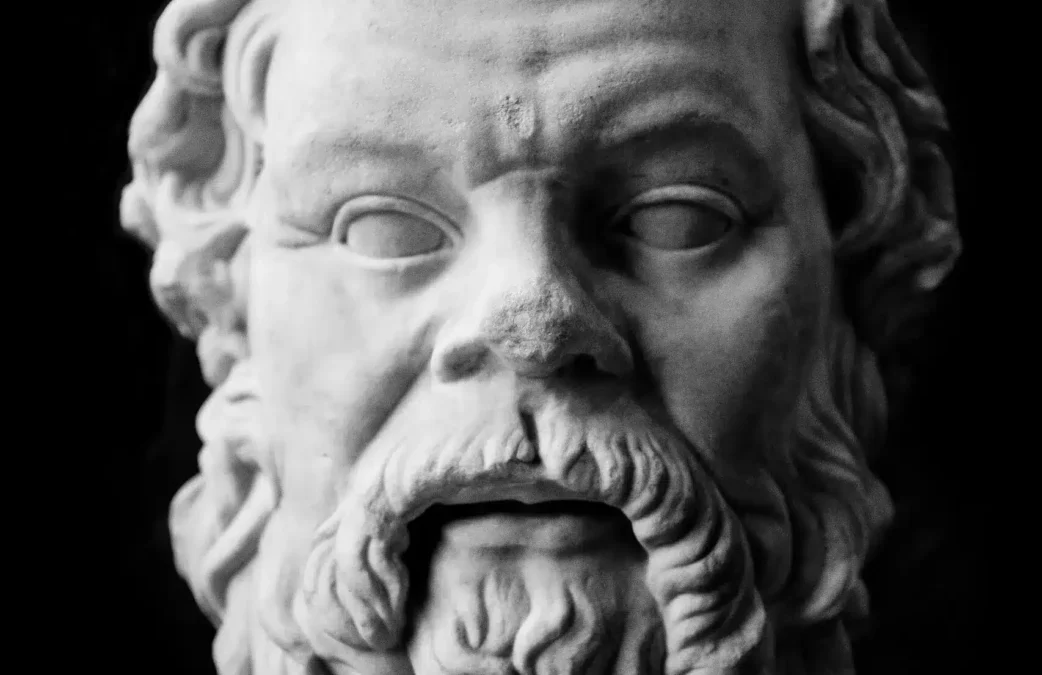
The Socratic Method in Coaching: Ancient Wisdom for Modern Leadership
Using the Socratic Method for Coaching: Ancient Wisdom for Modern Leadership
In a world obsessed with quick fixes and instant answers, the Socratic Method offers a timeless path to deeper thinking and authenticleadership. Rooted in the philosophy of Socrates, this ancient technique emphasises the power of questions over answers — a perfect fit for modern coaching and personal development.
As a leadership coach, business leader (and curious soul), I have adopted the Socratic Method as a habit in my life and work. As an approach, it is a great compliment to other coaching tools, such as the GROW model, and with various leadership styles. So, whether you’re a professional coach, an executive, or a team leader, applying the Socratic approach can unlock critical thinking, boost self-awareness, and transform how you guide yourself and others.
What Is the Socratic Method?
The Socratic Method is a structured dialogue technique based on asking thought-provoking questions to challenge assumptions, clarify ideas, and reveal insights. Instead of providing direct advice, the Socratic coach helps individuals uncover their own answers.
Socrates believed that knowledge resides within each person — the coach’s role is to awaken it. His famous declaration, “The unexamined life is not worth living,” captures the essence of this approach: self-reflection leads to wisdom.
The Socratic Method in Modern Coaching
In today’s coaching world, success isn’t about giving advice (unlike a mentor) but helping clients find clarity within themselves. The Socratic Method aligns perfectly with this philosophy.
Through guided questioning, a Socratic coach helps clients:
Instead of asking, “Why did you fail to meet your goal?” a Socratic coach might ask, “What assumptions guided your plan?” or “What might you do differently next time?” These open questions create insight and ownership — the foundation of lasting transformation.
Great leadership today, in most cases, requires more empathy, reflection, and collaboration — and less command and control. The Socratic approach to leadership replaces directives with dialogue, empowering teams to think critically and act autonomously.
A traditional manager says, “Here’s what to do.”
A Socratic leader asks, “What do you think would work best, and why?”
By encouraging inquiry, Socratic leaders foster innovation, trust, and engagement. This questioning style transforms leadership into a shared process of learning — exactly what organisations need in a fast-changing world.
Core Principles of Socratic Coaching and Leadership
1. Curiosity Over Judgment
Socrates approached every discussion as a learner, not a judge. In coaching, this means maintaining curiosity about your client’s experiences and beliefs rather than labelling them as right or wrong.
2. Questions Over Answers
Great coaches don’t offer solutions — they guide discovery. Ask open-ended questions such as:
“What does success mean to you?”
“What assumptions might you be making?”
“What alternative perspectives could also be true?”
These questions spark new thinking and self-realisation.
3. Self-Knowledge as the Root of Leadership
Socrates urged, “Know thyself.” True leadership begins with understanding one’s own motivations, strengths, and blind spots. Socratic coaching helps individuals cultivate that awareness, leading to grounded, authentic leadership.
4. Dialogue Over Monologue
The Socratic Method depends on genuine conversation. Coaches and leaders who embrace dialogue build stronger relationships, mutual respect, and shared accountability.
5. The Power of Reflection and Silence
Socrates valued silence as a tool for thought. In coaching, silence allows clients to process insights and reach their own conclusions. It’s in the quiet moments that breakthroughs often occur.
How to Apply the Socratic Method in Coaching
Step 1: Create a Safe Space
Trust is the foundation of effective coaching. Encourage openness by ensuring clients feel heard and respected. The Socratic Method works only when people feel psychologically safe. A great way to create such a space is to follow Nancy Kline‘s ten principles of a Thinking Environment.
Step 2: Define the Core Question
Socrates often began with one central question — such as, “What is justice?” In coaching, that might be “What does success look like for you?” or “What belief might be holding you back?”
Step 3: Explore Through Thoughtful Inquiry
Guide your client through questions that reveal assumptions and alternative views:
“How did you come to that conclusion?”
“What might happen if you tried another approach?”
“What evidence supports your current belief?”
This helps clients think critically about their reasoning.
Step 4: Encourage Deep Reflection
Allow time for silence. Reflection enables clients to connect insights to real-world behavior, strengthening long-term learning.
Step 5: Turn Insight Into Action
Socratic coaching isn’t just about philosophy — it’s about results. Summarise key learnings and translate them into action steps by asking, “What will you do differently based on what you’ve discovered?”
Applying the Socratic Method in leadership development helps organisations foster self-reliant, strategic thinkers.
In Practice, Socratic Leadership Looks Like:
Decision-Making: Asking diverse viewpoints before finalising actions.
Performance Reviews: Using reflective questions instead of evaluative criticism.
Team Learning: Encouraging inquiry and curiosity to drive innovation.
Change Management: Guiding teams through self-reflection during transitions.
Socratic leadership builds cultures of curiosity and accountability — where people learn not because they’re told to, but because they want to.
Why the Socratic Method Matters in the Modern Era
In an age of artificial intelligence, automation, and information overload, human insight is the competitive advantage. The Socratic Method cultivates this insight through reflection, reasoning, and emotional intelligence.
By applying Socratic principles in coaching and leadership, professionals can:
As Socrates taught, wisdom begins with knowing we don’t have all the answers — but asking the right questions brings us closer to truth.
Conclusion: Be a Modern Socrates in Coaching and Leadership
To use the Socratic Method for coaching is to lead with humility, curiosity, and purpose. It’s not about providing answers but facilitating discovery. Socratic coaches and leaders empower others to think deeply, act consciously, and grow authentically.
In a time when quick answers abound, the Socratic approach reminds us that true leadership is not about being right — it’s about helping others think for themselves.
If you would like to know more about the Socratic Method, do read this article:
If you want the right answers you have to start with the right questions
About The Right Questions
The Right Questions is for people who want to lead better and make better decisions. We are all leaders as we all have influence, no matter how much or how little. So, how are you maximising your influence?
If you are unsure, just drop me a line. I would love to help!
Do you want to lead better? Would you like to make better decisions? Want support in achieving your goals? Get in touch and let me know how I can help!