Why Emotional Intelligence Matters: Lessons in Leadership
Emotional intelligence is a crucial factor in how individuals understand themselves, interact with others, and navigate complex challenges. Beyond technical skill or intellectual ability, emotional intelligence shapes decision-making, leadership, communication, and resilience—especially in moments of stress or uncertainty.
The ability to recognise emotions, regulate reactions, empathise with others, and build healthy relationships allows people to respond thoughtfully rather than react impulsively. In both personal and professional contexts, emotional intelligence fosters trust, cooperation, and effective problem-solving, making it a foundational skill for sustained success and meaningful human connection.
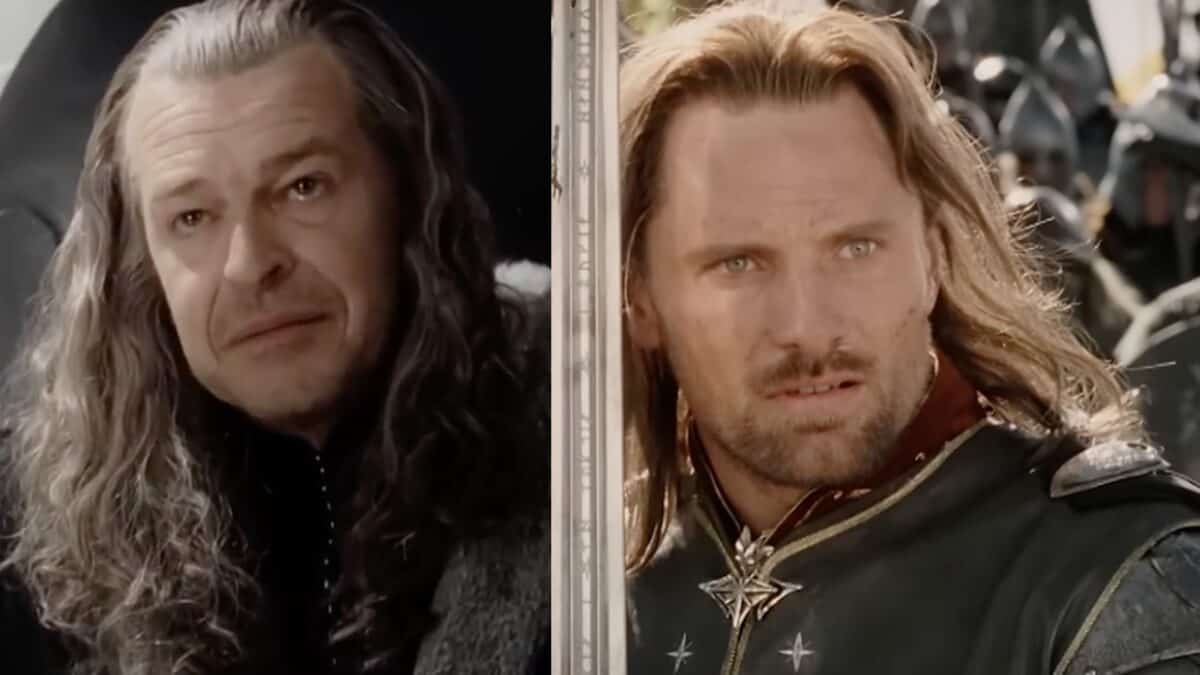
J.R.R. Tolkien’s The Lord of the Rings offers a powerful fictional exploration of emotional intelligence through its leaders. Few contrasts are as striking as that between Aragorn, the rightful King of Gondor, and Denethor, the last Ruling Steward. Though both are intelligent, capable, and deeply committed to Gondor, their vastly different levels of emotional intelligence ultimately determine their effectiveness—and their fates.
Using Daniel Goleman’s five-component model of emotional intelligence, we can better understand why Aragorn rises as a unifying leader while Denethor collapses under the weight of fear and despair.
Free Personal Leadership Action Plan
Just sign up here to receive your free copy
The Goleman Model of Emotional Intelligence
According to psychologist Daniel Goleman, emotional intelligence consists of five core components:
- Self-awareness
- Self-regulation
- Motivation
- Empathy
- Social skills
Examining Aragorn and Denethor through these five lenses demonstrates the relevance of all five components and also reveals Tolkien’s deeper commentary on leadership, hope, and human weakness.
1. Self-Awareness: Knowing Oneself as a Leader
Aragorn demonstrates a strong sense of self-awareness. He understands both his lineage as Isildur’s heir and the burden that history carries. Rather than rushing to claim power, he reflects on his fears, limitations, and responsibilities. He acknowledges these concerns to those he trusts. This self-knowledge fosters humility and wisdom.
Denethor, by contrast, lacks emotional self-awareness. Although intellectually sharp, he is blind to how grief, pride, and despair influence his decisions. His identity is rigidly bound to his authority as Steward, leaving him unable to adapt or reflect honestly on his emotional state.
Result: Aragorn’s grounded self-awareness enables growth; Denethor’s emotional blindness leads to self-deception.
2. Self-Regulation: Managing Emotion Under Pressure
Aragorn consistently exercises emotional control, even in moments of extreme danger. Whether leading through the Paths of the Dead or facing overwhelming odds in battle, he regulates fear and urgency, choosing deliberate action and ethical choices.
Denethor becomes increasingly emotionally volatile. His despair deepens into bitterness, cruelty, and eventually madness. Rather than managing his emotions, he allows them to dictate his behaviour, harming both himself and others. This ultimately leads to his death, and – if not for the intervention of Gandalf – would have resulted in the death of his son Faramir and the fall of Gondor.
Result: Aragorn channels emotion into purpose; Denethor is consumed by it.
3. Motivation: Purpose Beyond Fear or Pride
Aragorn’s motivation is rooted in service, hope, and responsibility. He willingly delays personal fulfilment—including kingship and marriage—in favour of the greater good. His perseverance comes from faith in others and belief in the possibility of renewal. He has a vision for Gondor restored.
Denethor’s vision for the future is to maintain his power and the status quo. His motivation, even to achieve this, deteriorates over time. Initially driven by duty, he becomes increasingly motivated by fear of failure and loss of control. Once he loses hope, his motivation collapses entirely.
Result: Aragorn is purpose-driven; Denethor is fear-driven.
4. Empathy: Understanding Others
Empathy is one of Aragorn’s defining strengths. He recognises the emotional needs of those around him, from simple hobbits to brave warriors and proud rulers. His compassion strengthens loyalty and morale, even among those facing despair.
Denethor shows little empathy. His favouritism toward Boromir and emotional neglect of Faramir reveal an inability—or unwillingness—to understand others’ inner lives. People become tools rather than individuals, and anyone who does not fulfil his narrow view of what is useful (such as Faramir) is considered a disappointment.
Result: Aragorn leads through understanding; Denethor rules through emotional distance.
5. Social Skills: Building Trust and Unity
Aragorn excels at forming relationships across cultures and races, earning trust without relying on formal authority. His communication inspires cooperation and unity at a time when division would mean defeat.
Denethor relies on rank and position rather than rapport. He increasingly shuns the counsel of the wise, such as Gandalf, and mistrusts potential allies, such as King Theoden and the Riders of Rohan. His self-isolation and suspicion weaken alliances, leaving him increasingly alone as the crisis mounts.
Result: Aragorn unifies; Denethor isolates.
Leadership Development: Master the Top Leadership and Life Skills
Better lead in life and work to maximise your success. Sign up and access materials for free!
Tolkien’s Lesson on Emotional Intelligence and Leadership
Through Aragorn and Denethor, Tolkien illustrates that leadership is not defined by intelligence, lineage, or authority alone. True leadership requires emotional intelligence—the ability to understand oneself, regulate emotion, empathise with others, and inspire trust, even in the face of severe challenges.
Aragorn’s high emotional intelligence makes him worthy of kingship, while Denethor’s emotional failures render him incapable of continuing to lead, despite his knowledge and experience. In this way, The Lord of the Rings offers a timeless lesson: without emotional intelligence, power collapses inward—but with it, hope endures. Ultimately, it is the emotionally intelligent leader who ushers in a new and more positive age.
Click here for The Lord of the Rings: The Motion Picture Trilogy in UHD 4K