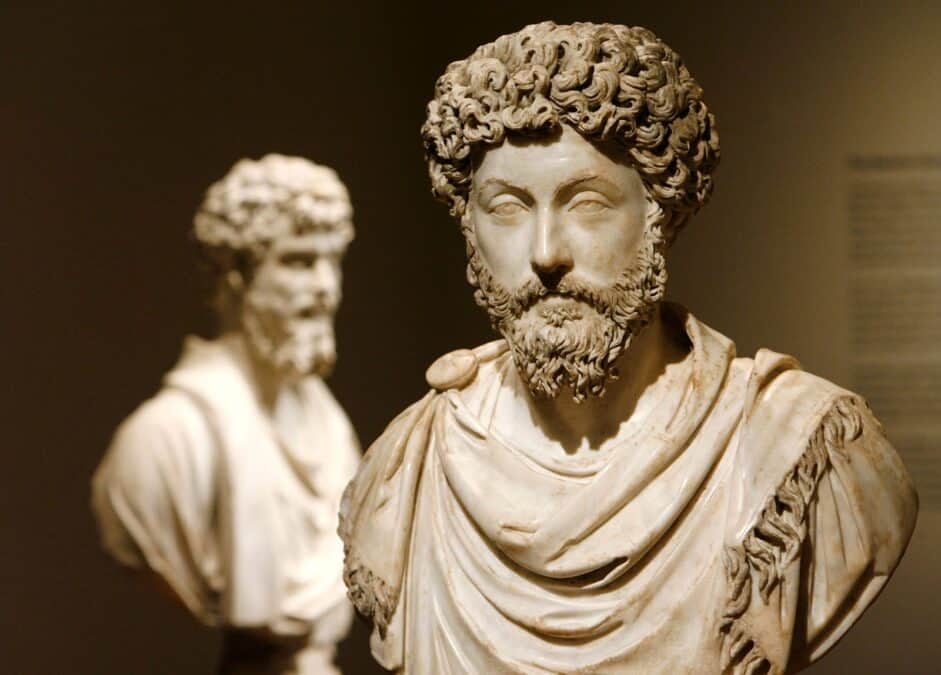
Stoicism and Leadership: The Impact of Stoic Leaders Ancient and Modern
Stoic Leaders: 6 Icons Who Define Timeless Leadership Power
Why Stoic Leadership Matters Today
In an era of constant distraction, emotional volatility and external pressure, more people than ever are turning to Stoicism for clarity, strength and authentic leadership. Stoicism is not about emotional suppression — it is about emotional mastery, discipline and resilience.
From Roman emperors and former slaves to modern military heroes and entrepreneurs, stoic leaders across history have followed the same powerful truth:
You cannot control the world — but you can control yourself.
In this article, we explore six of the most powerful stoic leaders in history — three ancient and three modern — and uncover what their wisdom teaches us about leadership, pressure, adversity and personal greatness.
1. Marcus Aurelius – The Emperor Who Led with Reason
Marcus Aurelius ruled the Roman Empire at the height of its power while living by the principles of Stoicism. Unlike most rulers, he did not chase pleasure or ego. Instead, he ruled through duty, discipline and restraint.
His private journal, later published as Meditations, became one of the most important stoic texts in history.
“You have power over your mind — not outside events. Realise this, and you will find strength.“
– Marcus Aurelius
Despite war, betrayal, political chaos and personal loss, Marcus remained steady. His leadership proves that true authority comes from inner stability, not external control.
Leadership Lesson: If you can govern your emotions, you can govern anything.
2. Seneca – The Philosopher Inside the Fire
Seneca the Younger lived inside one of the most dangerous political environments in history — serving as advisor to the unstable Emperor Nero. While surrounded by betrayal, fear and death, Seneca taught calm, logic and restraint.
“We suffer more often in imagination than in reality.”
– Seneca the Younger
This single insight is devastatingly relevant today. Anxiety, burnout and fear often come not from reality — but from what we imagine might happen. You can discover more of his insights in his writings, including Letters from a Stoic.
Seneca also warned leaders about wealth obsession, vanity and power addiction — timeless traps that still destroy modern executives and influencers.
Leadership Lesson: Control your thoughts or they will control your leadership.
3. Epictetus – The Slave Who Defined Freedom
Epictetus was born a slave. He owned nothing. And yet — he became the most influential stoic teacher of his time.
His core philosophy was built on one unbreakable distinction:
“It’s not what happens to you, but how you react to it that matters.”
“You must never confuse faith that you will prevail in the end with the discipline to confront the most brutal facts of your current reality.”
– Admiral James Stockdale
His experiences are captured in his book, Thoughts of a Philosophical Fighter Pilot. This is stoicism without romance. No delusions. No false optimism. Only truth, endurance and inner command.
Leadership Lesson: Brutal realism plus unshakable faith equals mental invincibility.
6. Tim Ferriss – Stoicism for the Modern Mind
Tim Ferriss has brought Stoicism into the digital age through entrepreneurship, writing and performance optimisation. His thought leadership is captured in his books, such as The 4-Hour Work Week, his podcast, The Tim Ferriss Show, and he has been featured in The Daily Stoic.
He openly credits Stoic practices such as:
Fear-setting – analysing and defining fears rather than goals
Negative visualisation – contemplating negative situations to prepare for adversity
Voluntary discomfort – choosing uncomfortable situations to develop resilience and character
Detachment from outcomes – being more mindful of the present and the journey rather than the goal
“What we fear doing most is usually what we most need to do.”
– Timothy Ferris
Ferriss teaches that fear is often the most reliable compass toward growth — a deeply stoic principle.
Leadership Lesson: Growth begins at the edge of discomfort.
What All Stoic Leaders Have in Common
Across centuries and circumstances, every stoic leader shares the same foundational traits:
If you want the right answers you have to start with the right questions
About The Right Questions
The Right Questions is for people who want to lead better and make better decisions. We are all leaders as we all have influence, no matter how much or how little. So, how are you maximising your influence?
If you are unsure, just drop me a line. I would love to help!
Do you want to lead better? Would you like to make better decisions? Want support in achieving your goals? Get in touch and let me know how I can help!